Aircraft N5766L Data
1
aircraft record found
N5766L
1969 Grumman American AA-1 Yankee Clipper, c/n AA1-0166
Latest photos of N5766L
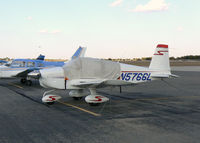
Zane Adams
@ JWY
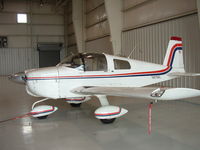
Vyarl Martin, Owner
@ KDAL
Airframe Info
| Manufacturer | Grumman American |
| Model | AA-1 Yankee Clipper Search all Grumman American AA-1 Yankee Clipper |
| Year built | 1969 |
| Construction Number (C/N) | AA1-0166 |
| Aircraft Type | Fixed wing single engine |
| Number of Seats | 2 |
| Number of Engines | 1 |
| Engine Type | Reciprocating |
| Engine Manufacturer and Model | Lycoming O-235-C2C |
Aircraft
| Registration Number | N5766L |
| Mode S (ICAO24) Code | a767e8 |
| Certification Class | Standard |
| Certification Issued | 2014-10-15 |
| Air Worthiness Test | 1969-07-08 |
| Last Action Taken | 2014-10-15 |
| Current Status | Deregistered |
| Registration Cancel Date | 2018-03-30 |
Owner
| Registration Type | Individual |
| Address |
Waxahachie, TX 751657103 United States |
User Comments
Thomas Thatcher, 2006-03-07 05:00:00
In the 1970's Yankee N5766L belonged to the Princeton University Flying Club where it got regular use. It was based at Princeton Airport, not far from the University. ZOWIE... its the A-1A model which required PRECISE flying to get the listed performance and to stay alive. The engine out sink rate would shock a stone! Power-on full stalls were as violent as any plane I've ever flown. The ONLY other plane I had flown prior to the Yankee was basic training to post-solo in a 65 hp "doorless and brakeless" Yellow J-3 Cub. The approach speed for the Yankee was higher than max power cruise speed for the Cub. By the way, the flaps on a Yankee are USELESS, except to increase an already insanely high sink rate. Fun for all. This is a Jim Bede designed airplane and it bristles with many unique and important innovations from its time, especially manufacturing and material selection innovations. Its an important and groundbreaking (pun very much intended) GA airplane design. The Yankee requires more precision to fly than a fully loaded Navajo twin. Its a two fingers to fly airplane. Transitioning from a Cessna 150 to a Yankee usually envolved several close calls with death. Primary training in a Yankee involved a bit of Darwinian natural selection process; the better pilots lived; the others would generally got killed. I hold a CFI and am SE/ME/AGI/IGI rated; currently (March 2006) employed as the State Director of Aeronautics for the state of New Jersey.
Tom Thatcher : )
Tom Thatcher : )